


A damaged fence does not automatically mean the entire structure needs to come down. In many cases, professional fence repair can restore strength, appearance, and security for years to come. Other times, repeated repairs simply delay an inevitable replacement and increase the total amount a property owner spends. For homeowners in Duvall, deciding between repairing and replacing a fence comes down to more than the appearance of a few damaged boards. The fence’s age, materials, structural condition, extent of damage, and expected long-term performance all matter.
Start With the Overall Condition of the Fence
The first question is not necessarily, “Can this section be repaired?” A better question is, “How much useful life does the entire fence have left?”
A fence with one damaged panel, a leaning post, or isolated hardware problems may still be structurally sound. Professional residential fence repair services can address localized trouble without disturbing sections that remain in good condition. This is often the most cost-effective approach when damage resulted from a fallen branch, impact, isolated rot, loose hardware, or another limited problem.
The situation changes when deterioration appears throughout the fence. Numerous loose boards, multiple failing posts, widespread rot, recurring gate problems, and significant leaning can indicate that the fence is reaching the end of its practical service life. Repairing one problem at a time may become less economical than planning a complete replacement.
When Fence Repair Is Usually the Better Investment
Repair makes the most sense when damage is limited and the surrounding structure remains dependable. A relatively young fence with one compromised post, for example, may have many years of service remaining after professional correction.
Wood fences commonly develop isolated trouble where moisture collects or where individual posts experience greater soil movement. Duvall’s wet Pacific Northwest climate can make moisture management especially important because prolonged exposure may accelerate wood deterioration. Catching these problems early can prevent damage from spreading into adjoining sections.
Professional repair may involve replacing damaged boards or pickets, resetting or replacing posts, correcting sagging gates, repairing hardware, or stabilizing individual sections. Recognizing signs a fence needs professional repair can help property owners schedule service while the problem is still manageable.
Prompt attention also matters for security. A loose panel, broken gate latch, or unstable section can create unwanted access points for children, pets, or other people. Commercial properties may face additional access-control and liability concerns when perimeter fencing is compromised.
When Replacement Makes More Financial Sense
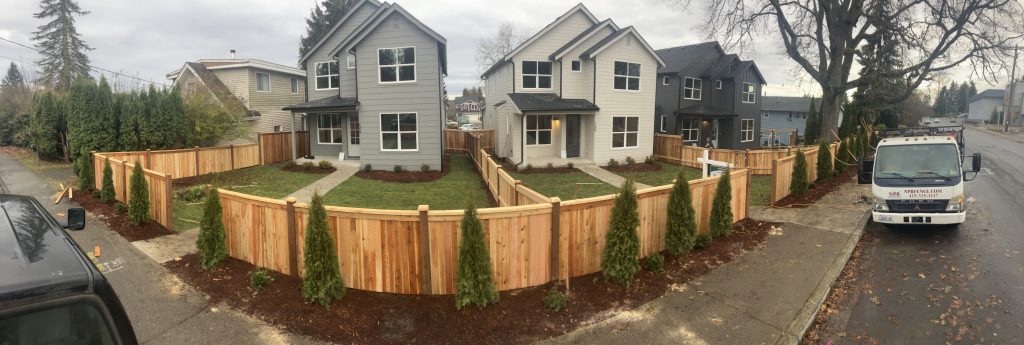
Replacement becomes the stronger long-term investment when deterioration is widespread, structural problems keep returning, or the fence no longer serves the property’s needs.
Age is one consideration, although there is no universal expiration date for fencing. Material quality, installation, soil conditions, drainage, exposure, maintenance history, and weather all affect service life. An older fence that remains structurally sound may still justify repairs, while a poorly performing fence can require replacement much sooner.
Multiple failing posts deserve particular attention. Posts provide structural support for the fence, so widespread post deterioration can make individual repairs increasingly complicated and expensive. Significant rot across numerous wood components can create a similar problem.
A replacement may also make sense when the existing fence no longer provides sufficient privacy, security, or functionality. Property owners who are already facing substantial repairs may decide that investing in professional fence installation provides greater value than restoring a fence that still will not meet their current needs.
Fence Repair vs. Replacement: Compare the Total Cost
The lowest immediate price is not always the least-expensive choice over time.
Suppose one damaged section can be professionally repaired while the remainder of the fence is strong. Replacement would likely be unnecessary spending. Conversely, repairing several failing sections this year, additional posts next year, and a deteriorating gate shortly afterward can create an ongoing cycle of service costs.
Consider three factors when comparing the options: the repair cost, the expected remaining service life, and the likelihood of additional failures.
A professional assessment can identify whether visible damage is isolated or part of a broader structural problem. That distinction is valuable because some fence problems extend below ground level or involve support components that are difficult for property owners to evaluate from appearance alone.
Material should also influence the decision. Wood, vinyl, chain-link, ornamental, and other fencing systems develop different types of wear and may have different repair possibilities. Evaluating residential fencing options can also help homeowners determine whether changing materials during replacement could better support their long-term priorities.
Do Not Ignore Leaning Posts and Sagging Gates
Certain symptoms deserve attention even when the fence still appears functional.
A noticeably leaning section can indicate weakened posts, shifting soil, damaged footings, or deterioration below grade. A gate that repeatedly sags or stops latching correctly may have hardware problems, post movement, frame distortion, or a combination of issues.
Waiting can turn a contained repair into a larger project. As weight shifts across connected components, one unstable post can place additional stress on nearby rails and panels. Loose fencing can also become more vulnerable during strong winds and storms.
For Duvall property owners, an inspection after noticeable storm damage, impact, or sudden movement can help determine whether targeted fence repair is sufficient.
Think About What You Need From the Fence Now
A fence installed years ago may no longer match how a property is being used. Families add pets, create outdoor living areas, improve landscaping, or decide they need greater backyard privacy. Commercial properties may experience changing traffic patterns, security requirements, or gate-access needs.
When extensive repairs are already necessary, these changes are worth considering before money is committed to the existing structure. Replacement creates an opportunity to reconsider fence height, material, layout, privacy, gate placement, and access.
That does not mean replacement should automatically win. It means repair decisions should account for future needs rather than only today’s damaged component.
Frequently Asked Questions
Is it better to repair or replace a damaged fence?
Repair is often the better choice when damage is limited and the rest of the fence remains structurally sound. Replacement may provide better long-term value when deterioration is widespread, multiple posts are failing, or repairs have become increasingly frequent.
Can a leaning fence be repaired?
Some leaning fences can be repaired, particularly when the problem involves one or two damaged or unstable posts. Widespread leaning may indicate broader structural, soil, footing, or deterioration problems that make replacement more practical.
Does a rotten fence need to be completely replaced?
Not necessarily. Isolated wood rot may be addressed by replacing affected components. When rot affects numerous posts, rails, boards, or other structural areas, replacing the fence may be more cost-effective than completing repeated repairs.
How do I know if fence repairs are becoming too expensive?
Consider the cost of the current repair, the fence’s overall condition, its expected remaining service life, and the likelihood of additional failures. Repeated repairs across different sections can indicate that replacement will provide better long-term value.
When Should You Call a Fence Professional?
Schedule a professional evaluation when several posts are leaning, boards or panels repeatedly loosen, gates no longer operate properly, rot appears in multiple locations, or storm damage affects structural components. Property owners should also request an assessment when they are unsure whether recurring repairs remain financially sensible.
A professional fencing contractor can look beyond surface damage and evaluate how the system is performing as a whole. This is particularly useful before investing heavily in an older fence.
For businesses, compromised fencing may require faster attention because perimeter security and controlled access can directly affect daily operations. Professional commercial fencing and gate solutions can help address fencing that must perform reliably around customers, employees, equipment, parking areas, or restricted spaces.
Make the Decision Based on Long-Term Value
The best choice is the one that provides dependable performance without unnecessary spending. Repair is often worthwhile when damage is isolated and the remaining fence has substantial service life. Replacement becomes more attractive when deterioration is widespread, structural failures recur, or repair expenses are being invested in a fence that will soon require additional work.
An experienced contractor can help separate cosmetic concerns from structural ones and provide realistic expectations for each option. That information allows homeowners to compare the immediate expense against expected long-term performance rather than making a decision based only on today’s repair bill.
If your fence is leaning, damaged, deteriorating, or requiring repeated attention, call NPR Fence at (425) 534-7430 to discuss professional fence repair in Duvall. Our team can evaluate the condition of your fencing and help determine whether repairing the existing structure or investing in replacement offers the better long-term value.