


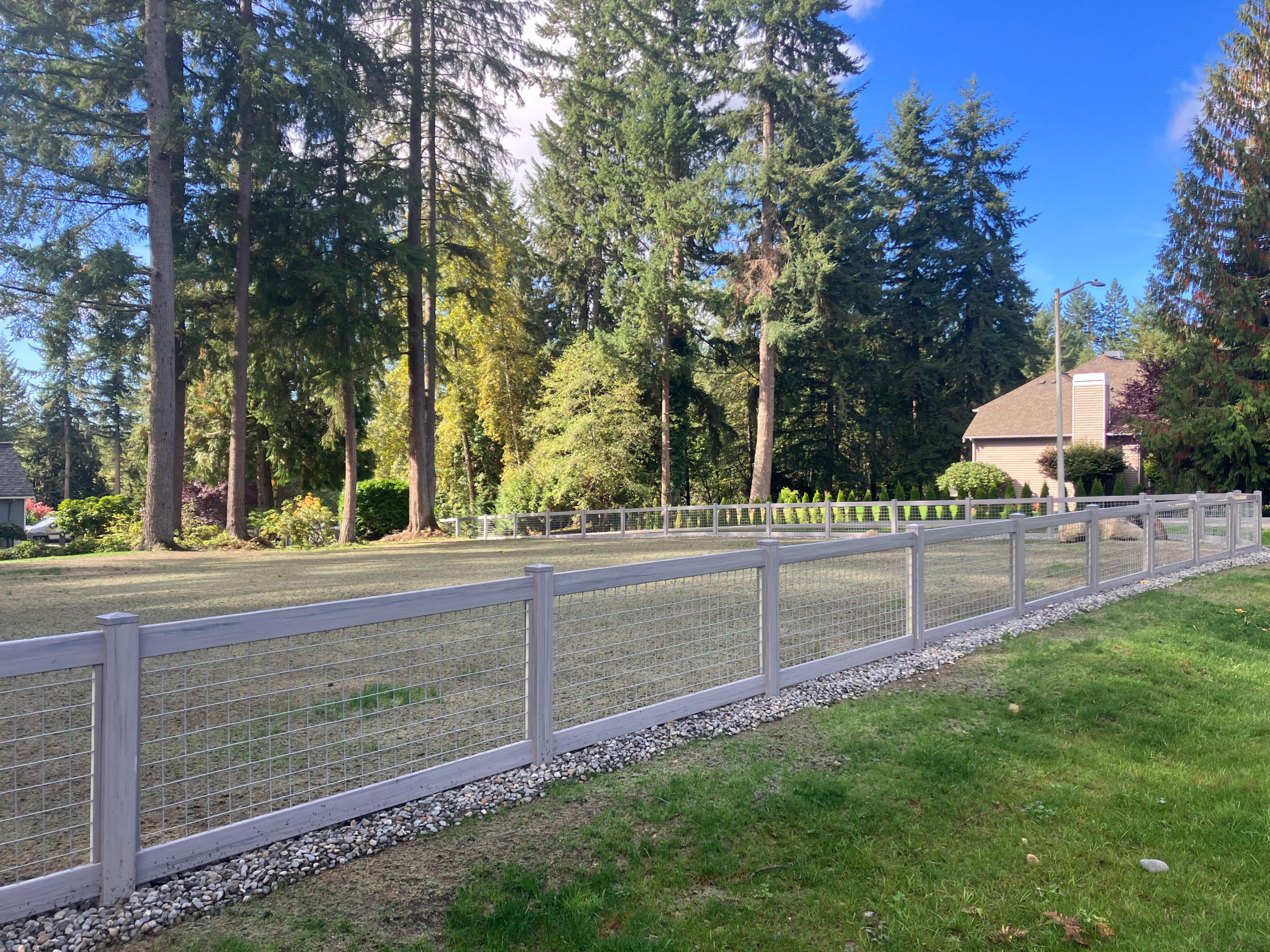
Choosing fencing materials is one of the most important decisions homeowners make when planning a new fence. The material affects far more than appearance. It influences privacy, maintenance, durability, security, cost, and how naturally the finished fence complements the home. For property owners in Marysville, Washington’s wet climate adds another consideration: the fence needs to perform reliably through prolonged moisture, seasonal temperature changes, and changing ground conditions.
At NPR Fence, we install wood, vinyl, composite, chain-link, aluminum, and steel fencing, giving homeowners options for very different priorities. Instead of selecting a material because it looks good in a photo, we help customers consider what they want their fence to accomplish, how much maintenance they are comfortable with, and which style makes sense for the property.
Start With the Purpose of Your Fence
Before comparing colors, profiles, or decorative details, identify the job your fence needs to perform. A beautiful ornamental fence may be ideal for defining a front yard but inappropriate when backyard privacy is the primary goal.
Think about priorities such as:
- Creating full or partial backyard privacy
- Safely containing children or pets
- Increasing security around the property
- Defining property boundaries
- Reducing ongoing maintenance
- Complementing the home’s architectural style
- Improving curb appeal
- Controlling access through strategically placed gates
- Meeting HOA requirements
- Fencing a large area without unnecessarily increasing costs
Once those priorities are established, narrowing the residential fencing options becomes much easier. A homeowner who prioritizes natural character and customization may arrive at a very different choice than someone who wants the lowest possible maintenance.
Wood Offers Natural Character and Flexibility
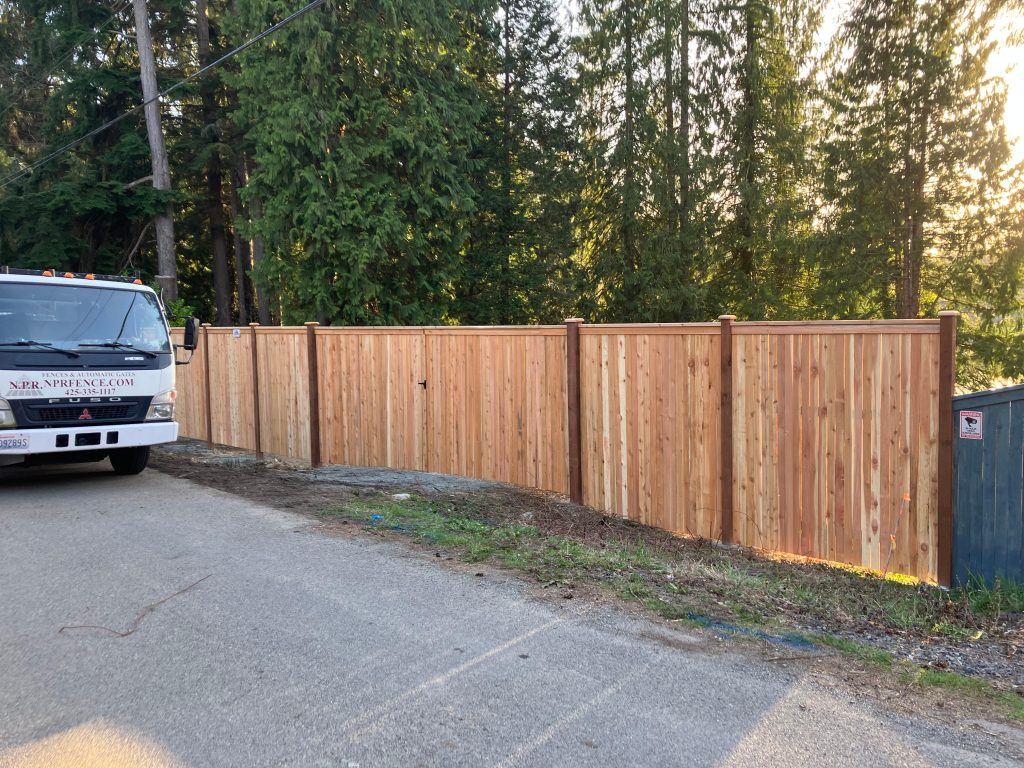 Wood remains an enduring choice throughout the Pacific Northwest, particularly for homeowners who want privacy and a natural appearance. NPR Fence offers wood fencing ranging from cedar pickets to custom horizontal designs, with installation methods that include post-on-pipe, driven No-Dig systems, and traditional concrete installation.
Cedar works particularly well with the wooded surroundings and established neighborhoods found throughout Marysville and Snohomish County. It can complement traditional homes, Northwest-inspired architecture, landscaped backyards, and newer properties where homeowners want to introduce warmth.
Wood also offers substantial design flexibility. Board orientation, spacing, height, top details, stain, and gate design can dramatically change the finished appearance.
The trade-off is maintenance. Wood requires more ongoing attention than materials such as vinyl or composite. Homeowners should consider that responsibility as part of the long-term investment rather than evaluating installation price alone.
Vinyl Makes Low-Maintenance Living Easier
Vinyl is appealing for homeowners who want a clean, consistent appearance without staining or painting. NPR Fence offers vinyl in multiple architectural styles, including privacy applications and different colors and profiles.
This can be particularly attractive in Marysville, where frequent moisture makes maintenance an important part of the material-selection conversation. Because vinyl is nonporous, it does not experience the same rot concerns as wood.
Vinyl is worth considering when the priorities include:
- Full or semi-private fencing
- A uniform finished appearance
- Reduced routine maintenance
- Long-term color consistency
- A contemporary or polished property style
Professional planning is still critical. Slopes, gates, corners, and changes in grade influence how a vinyl fence should be laid out and installed. NPR Fence custom-routes vinyl fencing on slopes to create a more seamless appearance across uneven terrain.
Composite Combines a Wood-Like Look With Less Upkeep
Composite fencing is increasingly relevant for homeowners who appreciate the substantial appearance of wood but would prefer less maintenance. NPR Fence installs composite systems, including Trex, designed to resist common concerns such as fading, warping, and rot.
Composite can be a strong candidate for high-visibility backyards, outdoor-living spaces, and properties where homeowners expect to remain for years and want to consider long-term maintenance alongside initial cost.
Evaluating low-maintenance fencing options is especially useful when homeowners are comparing vinyl and composite. Both can reduce upkeep, but their appearance, profiles, price points, and overall visual effect differ.
Chain-Link Is Still an Extremely Practical Choice
Not every fence needs to create a solid visual barrier. Chain-link fencing remains useful when containment, security, visibility, and budget are more important than creating a traditional privacy-fence appearance.
NPR Fence offers chain-link fencing with options including vinyl coatings and privacy slats, including slat systems offering up to 98 percent privacy. That makes today’s chain-link options more versatile than homeowners sometimes expect.
It can make sense for pet areas, large property boundaries, side yards, utility areas, gardens, and locations where visibility is desirable. For some properties, using chain-link in less-visible areas while choosing another material near patios or street-facing sections can also control project costs.
Aluminum and Steel Bring Strength and Definition
Metal fencing can provide a refined appearance without visually closing off a property. NPR Fence offers aluminum and steel systems for homeowners seeking strength, security, and relatively low maintenance.
These materials work particularly well where the view matters. They can define front yards, landscaped spaces, pools, and other areas while maintaining an open feeling.
Black metal fencing is also part of a broader movement toward cleaner, more architectural outdoor design. Current Pacific Northwest trends include horizontal fencing, black metal details, darker finishes, and designs that intentionally coordinate gates with the fence itself.
What Fencing Styles Are Trending Now?
Trends should inspire a project, not dictate it. A fence is a long-term property feature, so the design should still make sense after a particular look stops dominating inspiration photos.
Several current ideas have practical staying power:
- Horizontal wood fencing for clean, contemporary lines
- Black aluminum or steel for architectural contrast
- Mixed-material fences combining privacy and visibility
- Darker wood stains that contrast with Northwest greenery
- Straight, clean-top profiles with minimal ornamentation
- Coordinated fence-and-gate designs
- Privacy fencing around patios and outdoor-living areas
- Strategic combinations of premium and practical materials
NPR Fence has also highlighted growing interest in mixed-material designs, where wood, metal, vinyl, composite, or chain-link can be combined to serve different purposes on one property. The mixed-material fence designs can be particularly useful when one portion of a yard needs privacy while another requires visibility or economical containment.
Compare Fencing Materials by What Matters Most
There is no single material that wins every category. Wood offers natural warmth and customization but requires greater upkeep. Vinyl provides a clean appearance and very low maintenance. Composite combines substantial styling with reduced maintenance. Chain-link emphasizes economical security and containment. Aluminum and steel provide strength and visibility with an upscale appearance.
The best choice depends on which combination of qualities matters most to you.
A front-yard fence may prioritize curb appeal and visibility, while a backyard fence may prioritize privacy. A long side boundary may need cost-conscious containment. A gate area needs materials and hardware capable of handling repeated movement.
Frequently Asked Questions
What fencing material is best for privacy?
Wood, vinyl, and composite can all provide excellent privacy when installed in an appropriate solid or semi-private configuration. The best choice depends on the appearance you prefer, your maintenance expectations, property conditions, and project budget.
What fencing materials require the least maintenance?
Vinyl, composite, aluminum, and steel are strong options for homeowners who want to reduce routine upkeep. Each provides a different appearance and level of privacy, so maintenance should be considered alongside the fence’s primary purpose.
Can different fencing materials be used on the same property?
Yes. Mixed-material fencing can be an effective way to balance privacy, visibility, security, appearance, and cost. A property might use privacy fencing around an outdoor-living area and a more open or economical material along another boundary.
Which fencing material works best for a sloped yard?
Several materials can work on sloped properties when the fence is professionally planned for the terrain. The grade, fence style, installation method, and desired finished appearance should all be evaluated before selecting a material.
Should I choose a fence based on current design trends?
Trends can provide useful inspiration, but long-term function should come first. Choose a material and style that complement your home, meet your privacy or security needs, fit your maintenance preferences, and are likely to remain appealing for years.
Let the Property Help Determine the Material
Material selection should also account for terrain. Slopes, retaining walls, rockeries, drainage, landscaping, and access points can affect installation. NPR Fence has experience providing fencing solutions for challenging terrain, including areas near rockeries and retaining walls.
HOA requirements may narrow the choices further. NPR Fence’s Marysville-area information notes that communities can regulate fence height, materials, colors, finishes, setbacks, spacing, and gate placement. Checking those requirements before finalizing the fence installation planning process can prevent expensive changes later.
This is where professional guidance has significant value. Rather than choosing a material in isolation, we can look at the house, yard, slope, privacy goals, access requirements, preferred maintenance level, and overall design idea as one project.
Turn Your Fence Ideas Into the Right Material Choice
The right fence should look intentional while solving the practical problems that led you to consider fencing in the first place. Sometimes that means classic cedar privacy fencing. For another property, low-maintenance vinyl or composite is a better investment. Chain-link may provide exactly the functionality a large yard needs, while aluminum or steel can create a more open, architectural boundary.
If you are planning a new fence, replacing an outdated one, or simply are not sure which fencing materials fit your Marysville property, call NPR Fence at (425) 534-7430. Our team can review your ideas, property style, privacy and security needs, terrain, and maintenance preferences to help you choose a professionally installed fencing system designed for long-term performance.